Home Blog Page 3

Spot Hidden Alligator In the Picture: A Thrilling Sunset Challenge in the Wetlands

0
Spot Hidden Alligator In the Picture
Img - reddit / findsniper

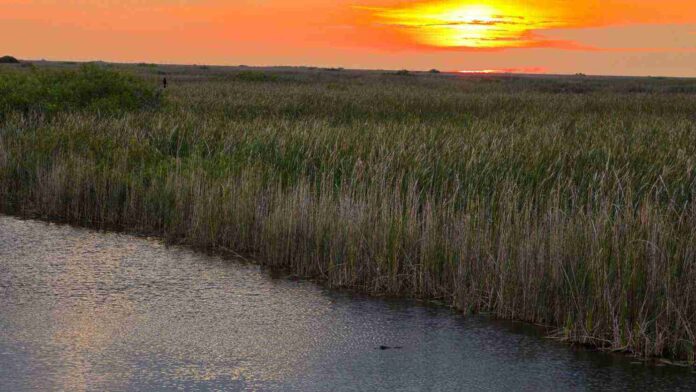
This breathtaking photograph captures a stunning sunset over a vast wetland marsh. The sky blazes with vibrant orange and yellow hues as the sun dips toward the horizon, casting a golden reflection across the calm water in the foreground. Tall, dense reeds and grasses dominate the middle ground, creating a sea of golden-brown and green vegetation that stretches into the distance. A small dark figure stands on the left near the reeds, adding a sense of scale to this expansive natural landscape. The overall scene feels peaceful and awe-inspiring โ€” a perfect moment in natureโ€™s beauty.

Yet, beneath this tranquil sunset vista, danger lurks silently. Something powerful and ancient is hidden in plain sight within the serene waters. Your exciting task is to carefully scan the entire image and Spot Hidden Alligator In the Picture. At first glance, the focus remains on the dramatic sky and swaying reeds, but a stealthy predator may be watching from the water. The suspense grows as you examine every ripple, shadow, and dark shape along the waterโ€™s edge.

Spot Hidden Alligator In the Picture

This visual puzzle demands sharp eyes and patience. The wetland environment, with its reflective water, dense vegetation, and fading light, provides ideal conditions for camouflage. Spot Hidden Alligator In the Picture by looking closely at the water surface, especially where light and shadows interact. Many viewers pass over the subtle details multiple times before making the discovery.

Alligators are legendary for their ability to remain nearly invisible while waiting for prey. In habitats like this expansive marsh โ€” common in places such as Floridaโ€™s Everglades or similar wetlands worldwide โ€” they often float with just their eyes and snout above the surface. Spot Hidden Alligator In the Picture not only entertains but also highlights the remarkable survival adaptations of these apex predators.

Such challenges have gained popularity among nature lovers, photographers, and families. They encourage deeper observation of the natural world and remind us that beauty and potential peril often coexist. Spot Hidden Alligator In the Picture is particularly effective at sunset, when the dramatic lighting makes spotting details even more challenging.

Wetlands like the one shown here are vital ecosystems. They support diverse wildlife, filter water, and protect coastlines. However, they are also home to powerful reptiles that play a key role in maintaining ecological balance by controlling prey populations.

Answer of Spot Hidden Alligator In the Picture

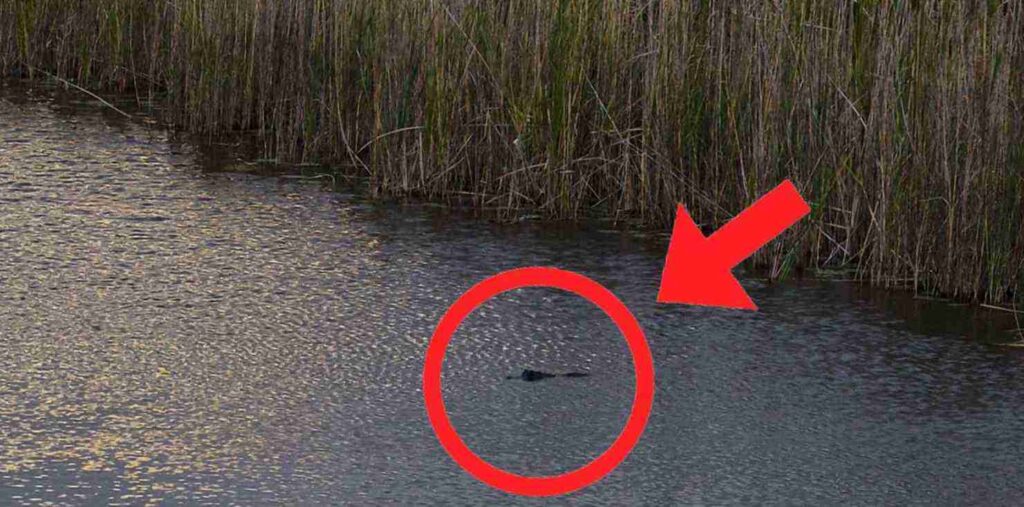
The alligator is in the river little right bottom. Its head is visible.

Once you locate it, the alligatorโ€™s head emerges clearly from the water in the lower right portion of the image. Its dark shape contrasts subtly with the reflective surface, showcasing perfect natural camouflage against the golden ripples and fading light.

Spot Hidden Alligator In the Picture transforms this peaceful sunset photograph into an adrenaline-filled discovery. The contrast between the beautiful scenery and the hidden predator creates a memorable experience that keeps viewers coming back for another look.
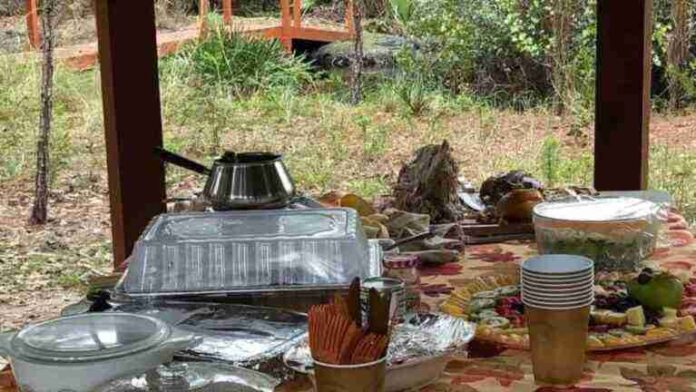
Spot Crocodile in This Picture: Is a Hidden Predator Crashing the Picnic?

0

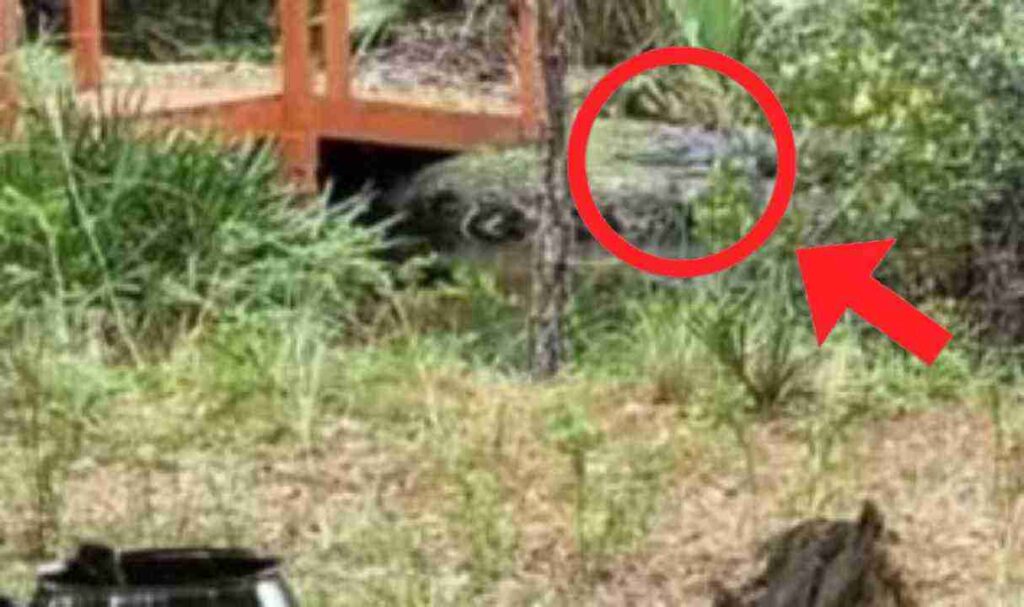
This lively outdoor photograph captures a delightful picnic or backyard buffet setup under a wooden shelter. The foreground is filled with a colorful tablecloth laden with food and party essentials โ€” a large stainless steel kettle, chafing dishes, foil trays, stacks of paper cups, plates of fresh fruits and vegetables, and various serving containers. In the background, a scenic natural landscape unfolds with green grass, trees, and a body of water visible beyond the shelter. The setting feels relaxed and inviting, perfect for a family gathering or outdoor celebration on a sunny day.

However, not everything in this peaceful scene is as harmless as it appears. Tucked away in the distance, something wild and unexpected may be lurking. Your exciting challenge is to carefully examine the entire image and Spot Crocodile hidden among the natural surroundings. At first glance, the focus stays on the delicious spread and cozy shelter, but a dangerous guest could be watching from the back. The suspense builds as you scan the waterโ€™s edge and distant land โ€” can you Spot Crocodile before itโ€™s too late?

Spot Crocodile

This visual puzzle tests your observation skills in a unique way. The image blends human celebration with untamed nature, creating the perfect opportunity for clever camouflage. Spot Crocodile by looking past the picnic table toward the background where land meets water. The environment โ€” with its mix of grass, trees, and shoreline โ€” offers excellent hiding spots for wildlife.

Crocodiles are masters of stealth, often remaining motionless near water to ambush prey. In areas where human spaces border wetlands, such surprise encounters remind us of natureโ€™s proximity. Spot Crocodile in this picture is both entertaining and educational, highlighting how these ancient reptiles blend into their habitats. Many people overlook the subtle shape at first because the focus naturally stays on the food and foreground.

Spot Crocodile challenges also raise awareness about wildlife safety. In regions like Florida, Australia, or parts of India, crocodiles and alligators frequently live near recreational areas. Always heed warning signs and stay vigilant near water.

Answer of Spot Crocodile

The crocodile is at the back in the picture. There is a land area above water going little right on plain surface โ€” you will see the head of crocodile.

Once located, the crocodileโ€™s head becomes visible in the background, resting on the flat land surface near the water. Its coloration and stillness allow it to merge almost perfectly with the distant terrain, making it a brilliant example of natural camouflage.

Img -wecb

Spot Crocodile turns this cheerful picnic photo into a thrilling wildlife discovery. The contrast between the festive table and the hidden predator creates a memorable scene. It reminds viewers that nature is never far away, even during everyday outdoor activities.

Beyond the fun of the puzzle, Spot Crocodile encourages greater respect for wild animals and their habitats. Preserving wetlands and maintaining safe distances from water edges are essential for peaceful coexistence. Whether youโ€™re planning a picnic or exploring nature trails, staying alert can lead to amazing sightings โ€” or help you avoid unexpected surprises.

This image is ideal for nature blogs, social media groups, and wildlife education pages. It combines the joy of outdoor gatherings with the excitement of a hidden animal challenge. Next time you enjoy a meal by the water or browse similar photos, remember to look twice. You never know what might be Spot Crocodile in plain sight.

Spot Hidden Snake in the Picture: Test Your Eyes in This Rocky Creek Camouflage Challenge

0
Spot Hidden Snake in the Picture

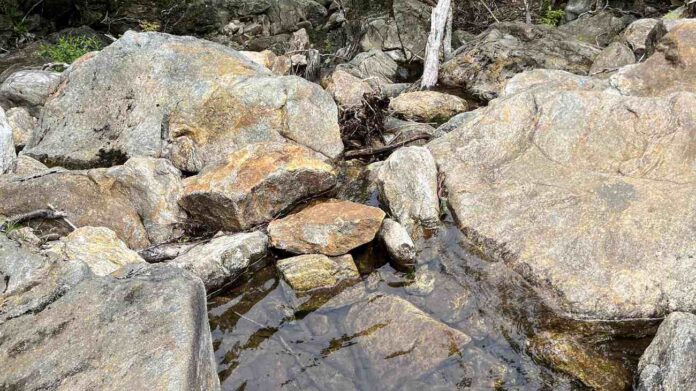
This striking photograph captures a rugged, natural streambed filled with large, weathered boulders in shades of gray, brown, and ochre. Clear, shallow water flows gently between the rocks, creating reflective pools and small currents. Scattered sticks, twigs, and sparse vegetation dot the scene, with a rocky, forested bank visible in the background. The sunlight highlights the textured surfaces of the stones, making the entire area look like a peaceful, untouched wilderness spot perfect for hiking or nature exploration.

At first glance, the image appears to be nothing more than a scenic rocky waterway. However, danger may be hiding in plain sight. Nature often conceals its most fascinating โ€” and sometimes feared โ€” creatures among the rocks and shadows. Your task is to carefully scan every detail and Spot Hidden Snake in the Picture. Can you find the slithering resident before it finds you? The suspense builds as you examine the stones, water edges, and tangled debris.

Spot Hidden Snake in the Picture

This visual puzzle requires sharp observation and patience. The rocky environment provides exceptional camouflage for reptiles, with its varied textures, colors, and shadows. Spot Hidden Snake in the Picture by looking for any unusual coil, pattern, or shape that doesnโ€™t quite match the surrounding stones and sticks. Many viewers miss it initially, as the snake blends masterfully with the natural elements.

Snakes are experts in crypsis, using their skin patterns and stillness to remain undetected. In habitats like this rocky creek, they often coil near water to hunt for small fish, frogs, or rodents. Spot Hidden Snake in the Picture not only entertains but also educates about these misunderstood reptiles and their vital role in balancing ecosystems by controlling pest populations.

Such challenges are popular among wildlife enthusiasts, hikers, and photographers. They sharpen focus and increase awareness of how animals adapt to their surroundings. Spot Hidden Snake in the Picture encourages you to slow down and truly observe natureโ€™s intricate details.

Answer of Spot Hidden Snake in the Picture

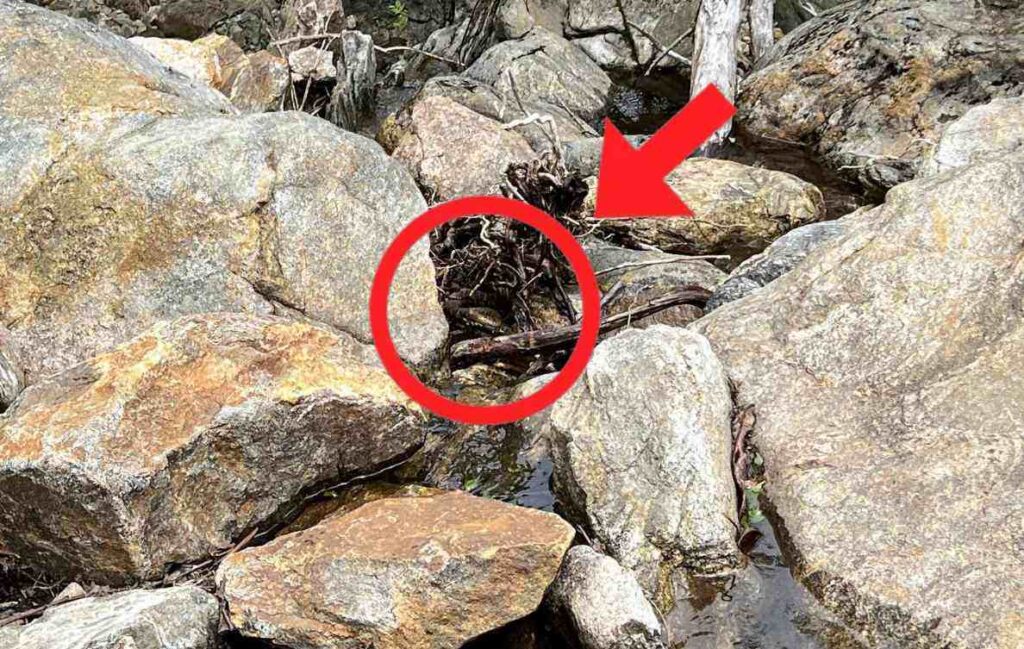
The snake is at the dead center just above the water where there are some stick bushes. It is coiled there, blending perfectly with the sticks and rocks.

Spot Hidden Snake in the Picture turns this ordinary-looking creek photo into an exciting discovery. Once located, the coiled snake becomes obvious, showcasing natureโ€™s incredible camouflage abilities. These reptiles are common in rocky, watery areas across many regions and play an important ecological role.

Beyond the thrill of spotting it, Spot Hidden Snake in the Picture reminds us to respect wildlife and stay alert in natural habitats. Whether hiking near streams or exploring rocky terrains, awareness can prevent surprise encounters while deepening appreciation for biodiversity.

Crocodile Camouflage: Can You Spot the Hidden Predator in This Mangrove Maze?

0
Spot hidden crocodile

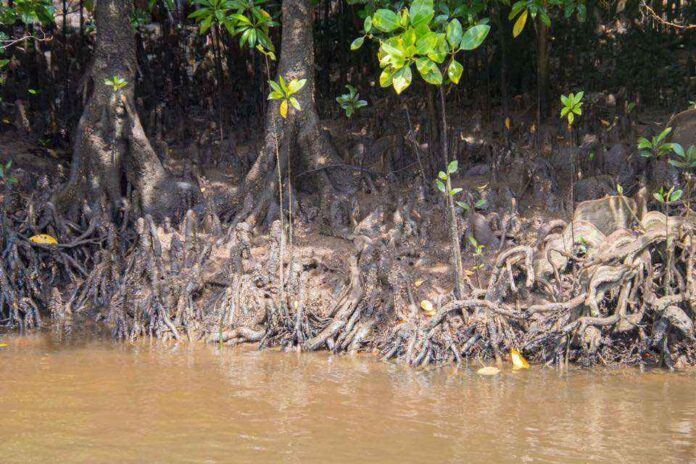
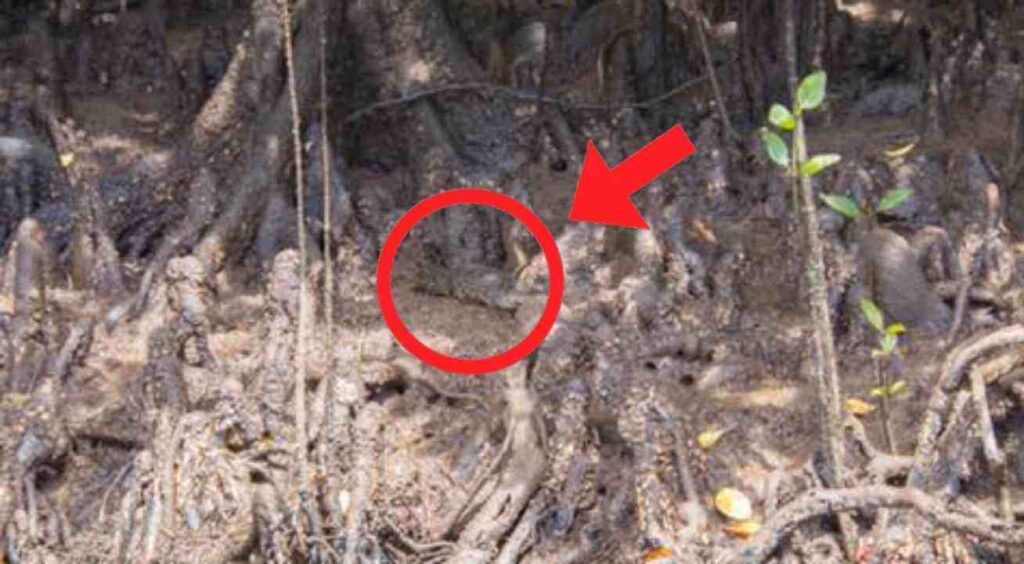
In the tangled heart of a coastal mangrove forest, where the boundary between land and water blurs into a labyrinth of mud, roots, and shadows, nature plays one of its greatest tricks. At first glance, the image shows a classic scene: gnarled tree trunks rising from nutrient-rich mud, prop roots twisting like ancient fingers into the murky brown water, and vibrant green leaves catching the sunlight. But look closer โ€” much closer โ€” and youโ€™ll discover something far more thrilling than just another scenic wetland photograph.

There, nestled among the middle tree roots in the center of the frame, a crocodile lies perfectly still, its body merging seamlessly with the dark, wet environment. Its rough, textured skin mimics the bark and mud of the mangrove roots, while its elongated snout and watchful eyes remain nearly invisible unless you know exactly where to look. This master of disguise demonstrates why these reptiles have survived for millions of years.

Mangroves are among the most productive and challenging ecosystems on Earth. Found in tropical and subtropical regions across Asia, Africa, Australia, and the Americas, these forests act as vital nurseries for marine life, buffers against storms, and carbon sinks. In places like Indiaโ€™s Sundarbans โ€” home to the largest mangrove forest in the world โ€” saltwater crocodiles (Crocodylus porosus) reign as apex predators. These massive reptiles can grow up to 7 meters (23 feet) long and are known for their incredible ability to remain motionless for hours, waiting for prey such as fish, birds, monkeys, or even deer that venture too close to the waterโ€™s edge.

The crocodile in this image exemplifies crypsis โ€” the biological strategy of blending into oneโ€™s surroundings to avoid detection by both prey and potential threats. Its coloration, from olive-brown to muddy gray, matches the silt-laden water and decaying organic matter. The irregular patterns on its back echo the shadows cast by overlapping roots and the dappled light filtering through the canopy. Even its breathing is subtle; only the slightest movement of its nostrils might betray its presence.

For wildlife photographers and nature enthusiasts, spotting such hidden animals is both a challenge and a reward. It requires patience, sharp observation, and knowledge of animal behavior. In this particular photograph, the crocodileโ€™s position โ€” right at the central cluster of exposed roots where water meets land โ€” is strategic. It can quickly slip into deeper water if disturbed or launch a lightning-fast ambush toward the shallows.

This image serves as a powerful reminder of the delicate balance in mangrove ecosystems. These forests face threats from climate change, rising sea levels, deforestation for aquaculture, and coastal development. Protecting them is crucial not only for the survival of species like the crocodile but also for human communities that rely on mangroves for fisheries, timber, and natural coastal defense.

Next time you explore a mangrove boardwalk or view photos from expeditions in places like the Andamans, Florida Everglades, or Southeast Asian deltas, take a moment to scan the roots carefully. You might just lock eyes with one of natureโ€™s ultimate ambush artists.

Answer: The crocodile is hidden at the middle tree root in the center of the image. Its body aligns with the dark, tangled roots just above the waterline, with its head and back blending into the shadows and textures.

Once you see it, you canโ€™t unsee it โ€” a classic example of expert natural camouflage.

Spot the Hidden Alligator in This Peaceful Pond

0
Spot the Hidden Alligator

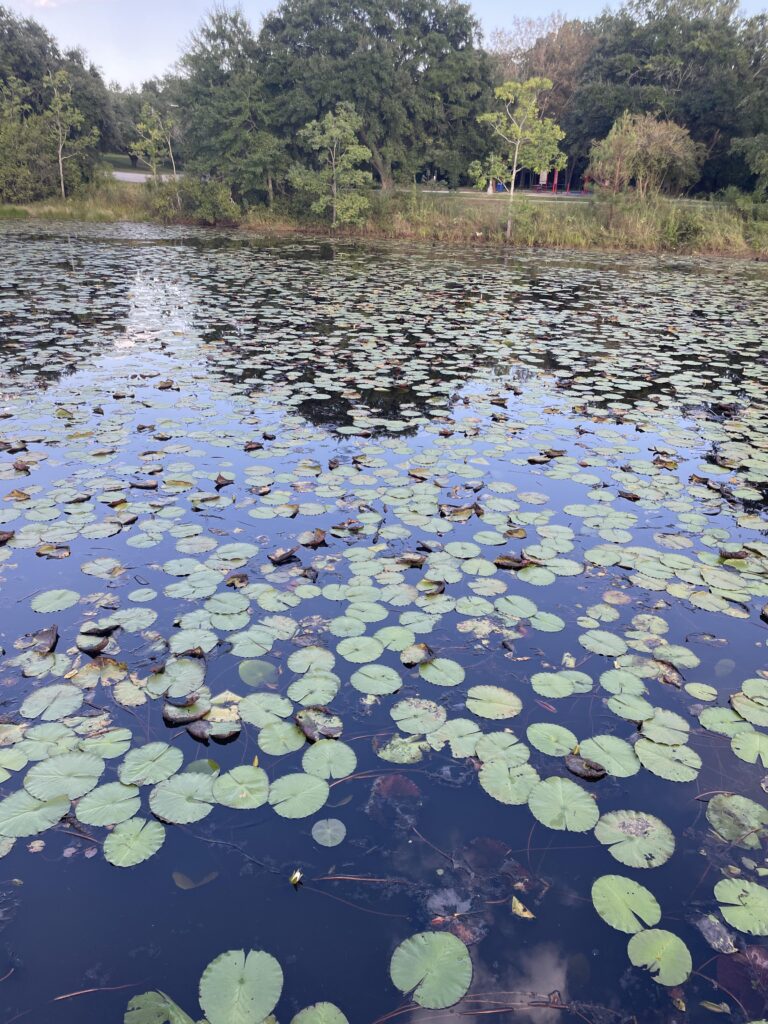
A tranquil pond covered with green lily pads stretches out under a clear sky, surrounded by lush green trees and dense vegetation. The water surface is calm, reflecting the trees and sky, while countless lily pads float gently across the pond. It looks like a serene, peaceful natural scene โ€” the perfect place for a quiet walk or a relaxing afternoon in nature.

But danger is lurking just beneath the surface.

Can you spot the hidden alligator?

This is a challenging camouflage puzzle that has stumped many viewers. The alligator has used its natural stealth and the environment perfectly to remain almost invisible. The dark water, reflections of the trees, and the scattered lily pads create an excellent hiding spot. Many people look at this image for a long time without noticing anything unusual. The calm appearance of the pond makes it even harder to expect a predator is present.

Take your time and scan the entire picture carefully. Look beyond the beautiful lily pads and focus on the reflections and shadows in the water. The alligator is lying very still, with only a small part of its body visible. Is it near the center? Is it hiding among the lily pads? Or is it blended into the dark reflections of the trees?

The longer you stare at the image, the more the water and shadows seem to blend together. This is a true test of observation skills. The alligatorโ€™s dark color and textured skin match the murky water and tree shadows so well that it becomes nearly invisible at first glance. Patience and a sharp eye are required to solve this puzzle. Many viewers report needing to zoom in or look multiple times before they finally spot it.

This image perfectly demonstrates the incredible camouflage abilities of alligators. They can remain motionless for long periods, waiting patiently for prey while blending seamlessly into their surroundings. In this pond, the combination of still water, lily pads, and tree reflections has created the ideal hiding place.

This kind of visual challenge is not only entertaining but also educational. It reminds us how easily we can miss things that are right in front of us, especially when an animal has evolved over millions of years to become a master of disguise. Alligators are apex predators, and their ability to stay hidden is one of the reasons they have survived for so long.

Donโ€™t rush through the image. Let your eyes slowly move across the water surface, paying special attention to the shadows cast by the trees. The hidden alligator is there โ€” waiting to be discovered.


Answer: Spot the Hidden Alligator

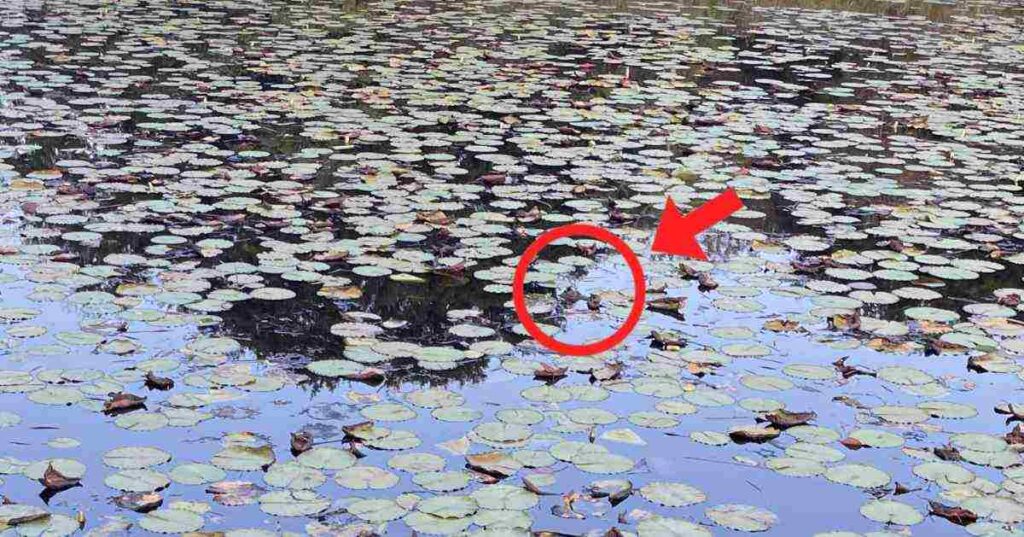
The hidden alligator is located in the middle of the picture, near the shadows of the trees in the water.

Look at the three shadows of the trees being cast on the water. In the middle tree shadow, on the left edge where there is no shadow, you can see the head of the alligator. Its dark head and eyes are partially visible just above the water surface, blending almost perfectly with the dark reflection and lily pads. Once you spot the head, the rest of its body becomes much easier to see as it lies motionless in the water.

Did you manage to find the hidden alligator? Let us know in the comments how long it took you and whether you needed to zoom in!

Can You Spot the Hidden Crocodile in This Picture?

0
Can You Spot the Hidden Crocodile in This Picture

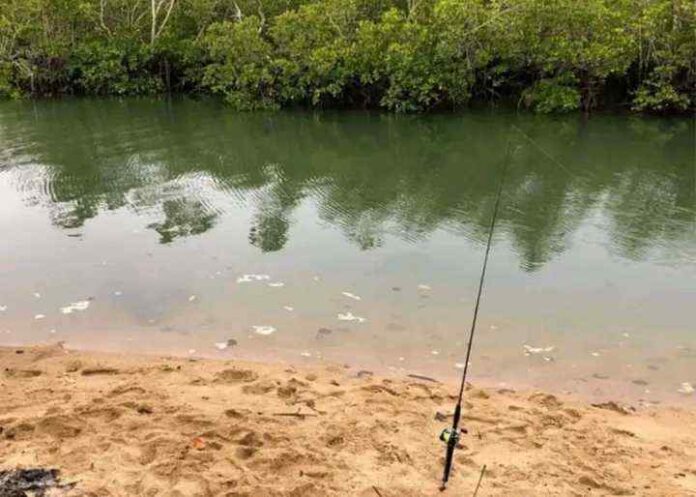
A peaceful riverside scene with a fishing rod standing on the sandy bank, calm greenish water, and dense green bushes in the background. It looks like a perfect spot for fishing โ€” quiet, serene, and relaxing.

But something dangerous is lurking in plain sight.

Can you spot the hidden crocodile?

This is one of those tricky โ€œspot the animalโ€ puzzles that tests your observation skills. The crocodile has used its natural camouflage so effectively that it blends almost perfectly with the water and surroundings. Many people look at this image multiple times without noticing anything unusual.

Take your time and scan the entire picture carefully. Look at the water surface, especially around the area where the fishing line enters the water. Is the crocodile near the bank? Is it partially submerged? Or is it hiding somewhere else entirely?

The calm water and reflections make it even harder to spot. The longer you stare, the more the scene seems to merge together. This is a master of camouflage at work.

Donโ€™t give up too quickly โ€” the crocodile is there, waiting patiently.


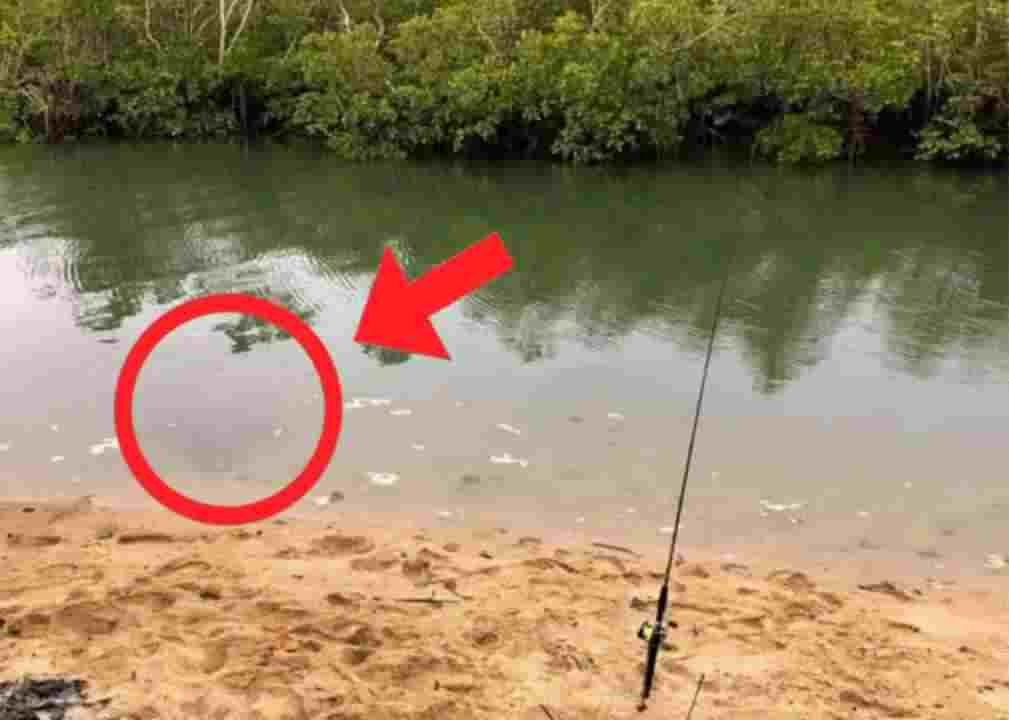
Answer: Spot the Hidden Crocodile

The hidden crocodile is located in the middle of the picture, partially submerged in the water near the fishing line.

Its head and back are visible just above the water surface, cleverly camouflaged among the ripples and reflections. Once you spot it, you can clearly see its eyes and snout. It is lying very still, making it extremely difficult to notice at first glance.

Did you manage to find the crocodile? Let us know in the comments how long it took you! ๐ŸŠ